The 12 essentials

1

Visit the castles and discover how the medieval kings lived.

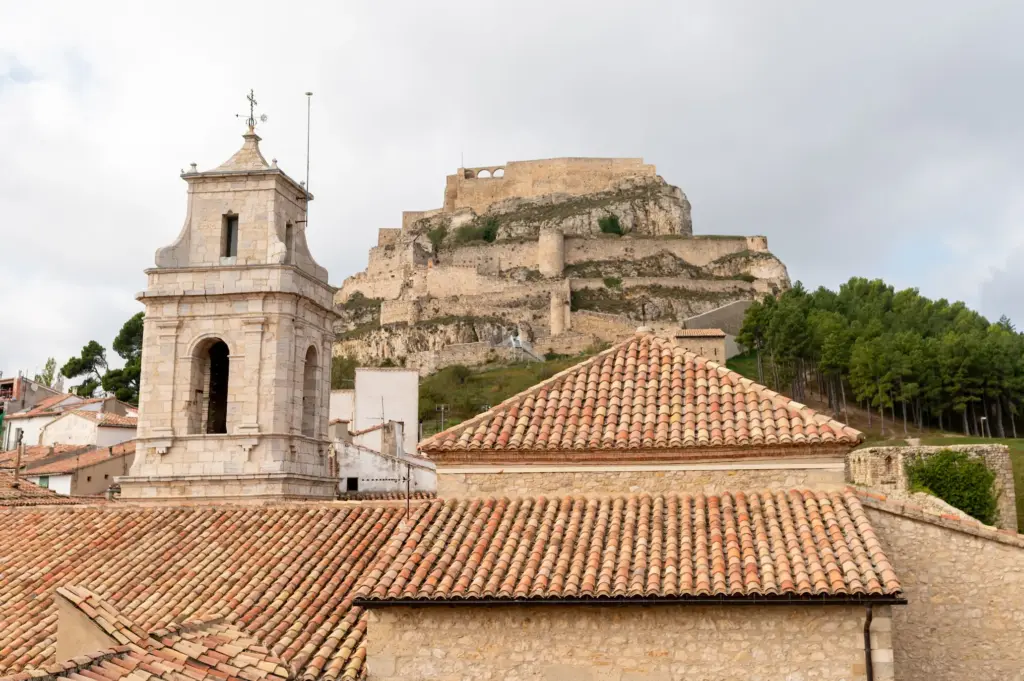
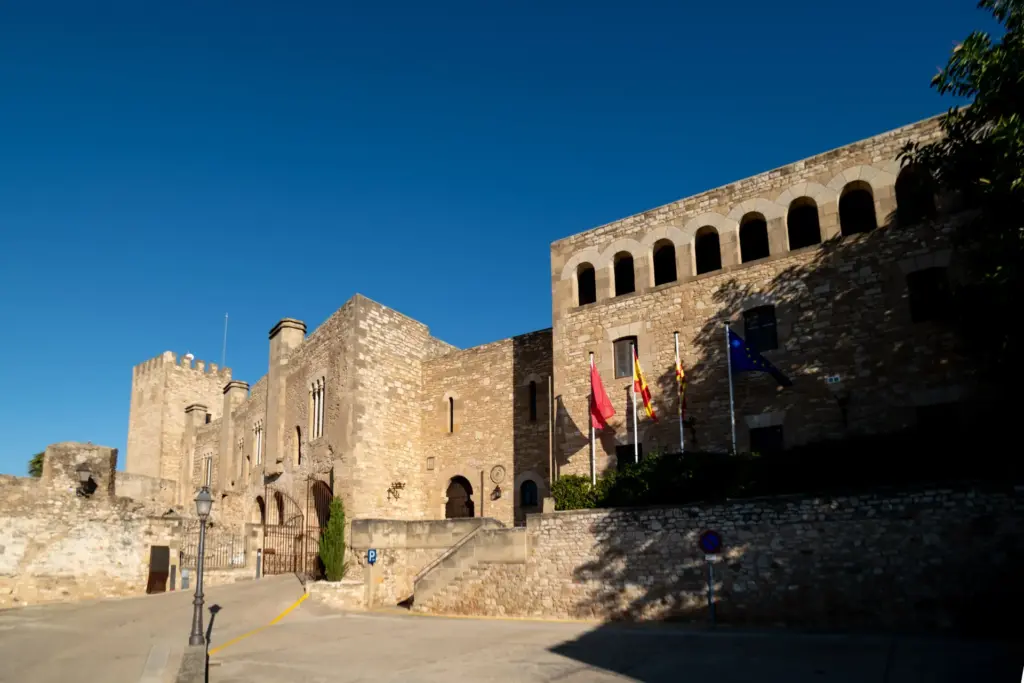
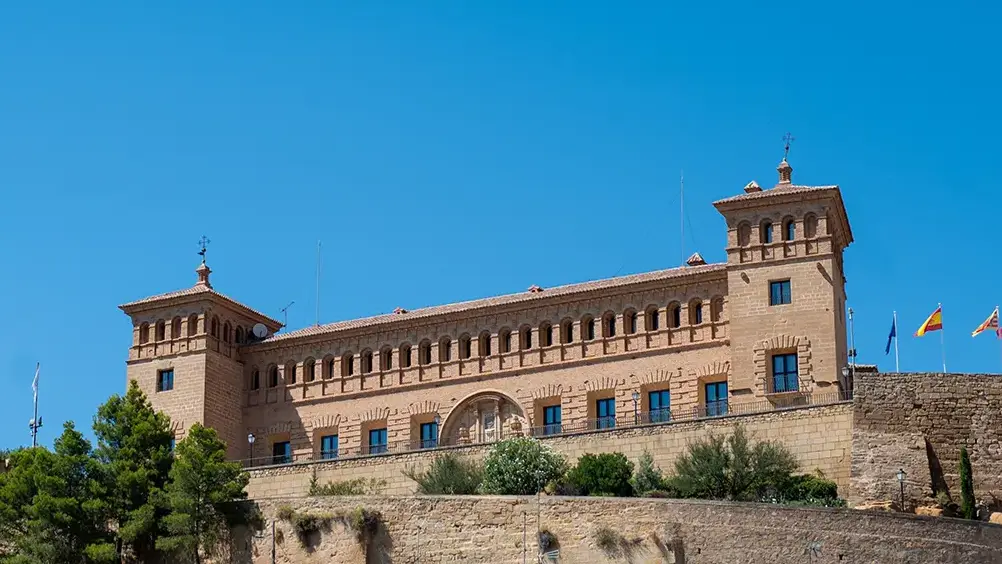
Monumental castles watch from above over the 3 stages of this route. The Castle of Morella with its Governor’s Palace; the Castle of the Calatravos in Alcañiz, with its unique Gothic frescoes; and the Castle of La Zuda, today a magnificent viewpoint over Tortosa; were built centuries ago and have become excellent settings that explain the passage of time and the history of its inhabitants. And although each of them offers the visitor a totally different experience, the three share a common characteristic: they have been erected as symbols of the towns they inhabit.

2

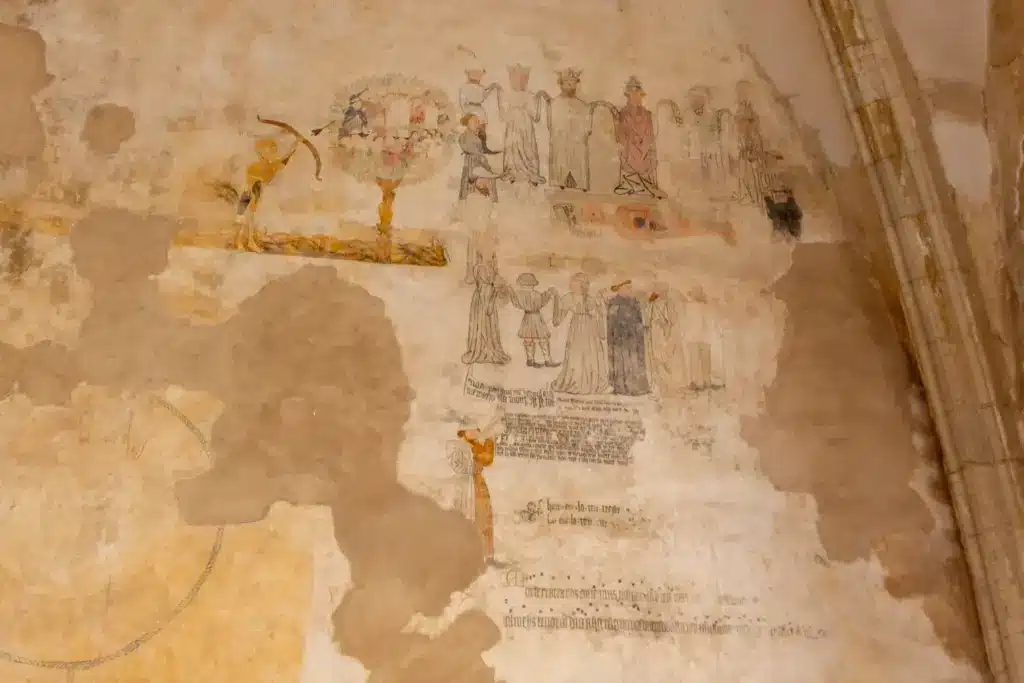
Admire the Dance of Death in the Convent of Sant Francesc in Morella.

The Dance of Death is the name given to a unique 15th-century painting that is currently one of the oldest examples of Spanish macabre art. In it, noble characters, clergy, and commoners can be seen dancing together around death. This fresco is part of the Convent of San Francisco complex, a religious Gothic building built by the Franciscan order between the 13th and 14th centuries and composed of the church, the cloister, and the profundis halls.

3

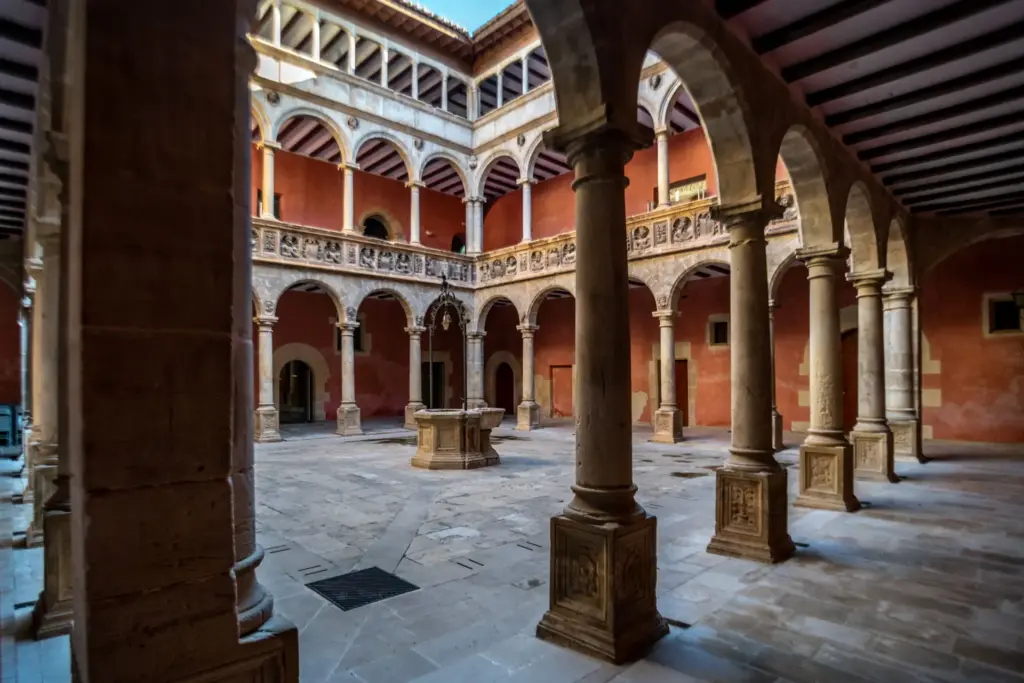
Meet the kings of the Crown of Aragon by visiting the Royal Colleges of Tortosa.

During the Renaissance, the city of Tortosa experienced its most splendid moment and managed to position itself as the cultural center of Catalonia. It was then that the Royal Colleges were built. It is an architectural complex of three buildings, especially highlighting the Colegio de San Jaime y San Matías, and in particular its courtyard, where visitors will find out what the kings and queens of the Crown of Aragon looked like thanks to the frieze sculpted with their faces that decorate it.

4

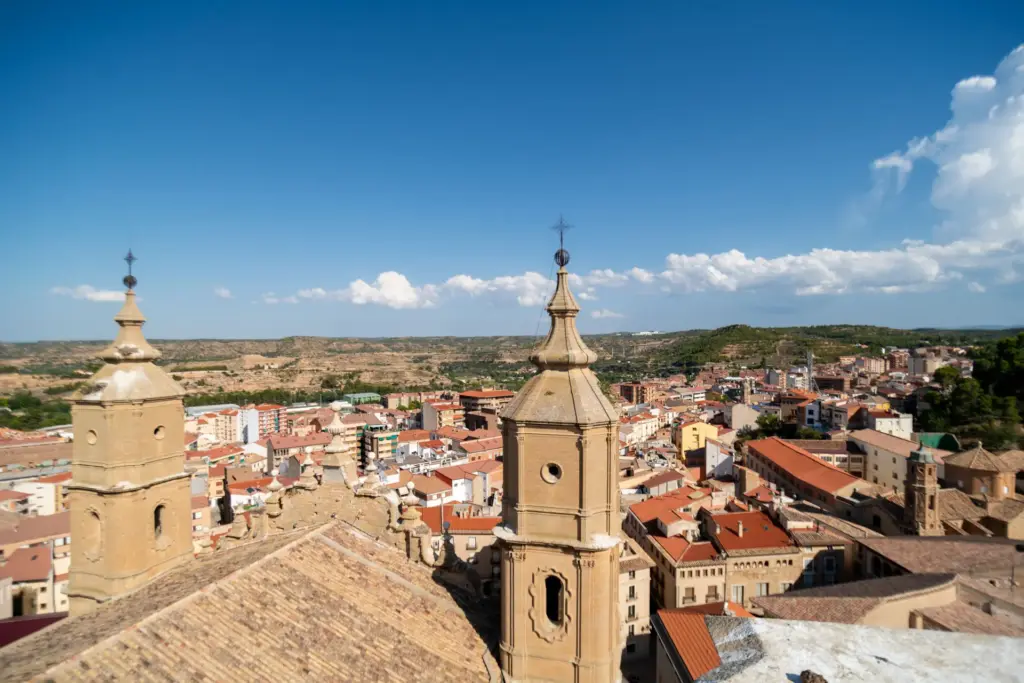
Climb the Tower of Concord and contemplate Alcañiz from above.

Climbing the stairs that will take visitors to the highest point of the Tower of Concord has a reward, and that is to enjoy the splendid views it offers over Alcañiz, the only remaining vestige of the old Gothic church of Santa María la Mayor, demolished in the 17th century and replaced by the current Baroque temple. Between the ground and the sky, visitors will also discover the clock room, the tower windows, and the bells that mark the passage of time.

5

Stroll along the route of the walls.

As unwavering witnesses to the passage of time, the three stages of this route still maintain part of the walls, towers, and fortifications that defended the towns years ago. In Morella, nearly 2 kilometers of wall still shine, dating from between the 14th and 15th centuries, with some of its towers converted into museums. Tortosa can also boast of the indestructibility of its walls, ramparts and fortifications from different eras, adding up to more than 6 kilometers of layout. In Alcañiz, two sections of the old wall are still preserved which, associated with towers, have been mixed with the architecture of new construction.

6

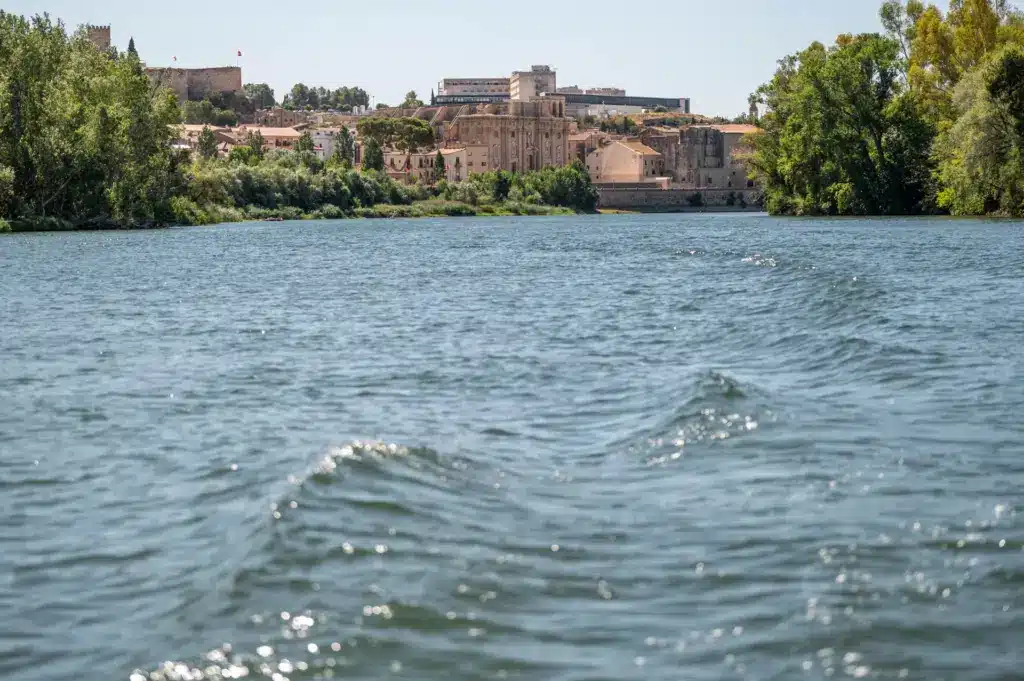
Admire Tortosa sailing along the Ebro.

The Ebro is a river with personality that has marked, irrefutably, the identity and history of Tortosa. Whoever arrives in the city will discover the breadth and calm of this river space, overflown by the bridges that unite a city crossed by water. Without a doubt, a walk (whether by llaüt, canoe, or kayak) along the Ebro is a great way to enjoy the city and be surprised, for example, by natural curiosities such as the Illa dels Bous, an island inhabited by wild oxen.

7

Sit and contemplate the architectural heritage that surrounds the Plaza de España in Alcañiz.

Although the true extent of these underground passages is unknown, it is believed that they could have connected numerous and important points in the city. What we do know for sure is that its current access point is located under the Tourist Office and allows you to visit a rectangular-shaped winery from which two narrow visitable passageways start and lead to the refrigerator, a room 20 meters long by 4 meters high where snow was stored throughout the year as a method to preserve food.

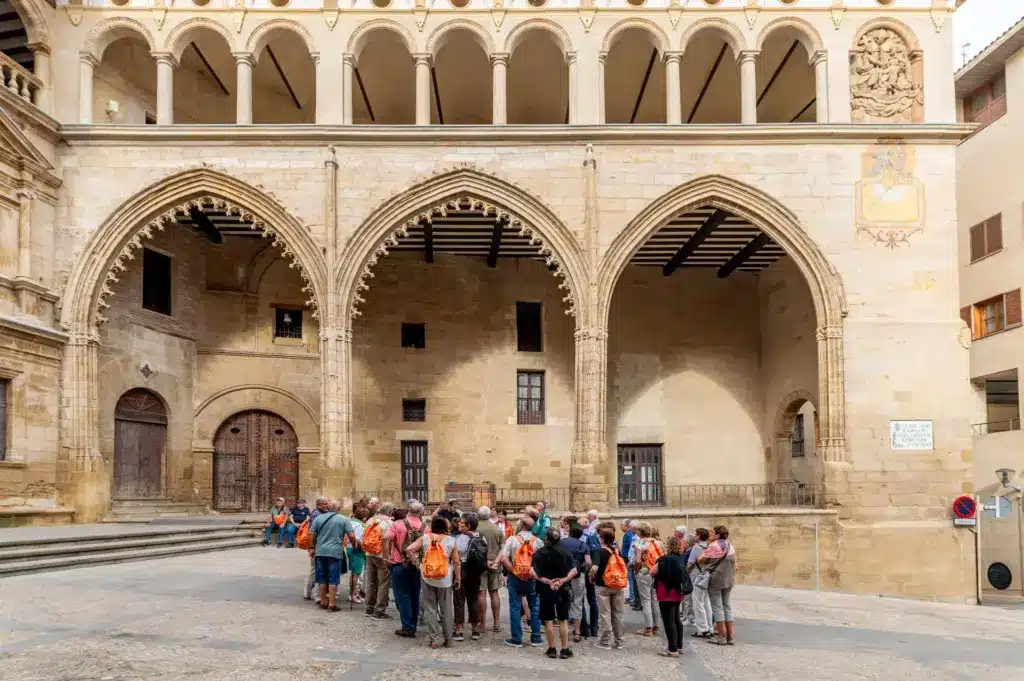
La Plaza de España is a must for anyone visiting Alcañiz. This space summarizes years of the city’s history, explained by the buildings that surround it. Whoever stands in the center of this square will see around them the Historic-Artistic complex of the Town Hall and the Market; as well as the Church of Santa María la Mayor and its Tower of Concord. Also located here is the city’s Tourist Office, the gateway to the visit to the medieval underground.

8

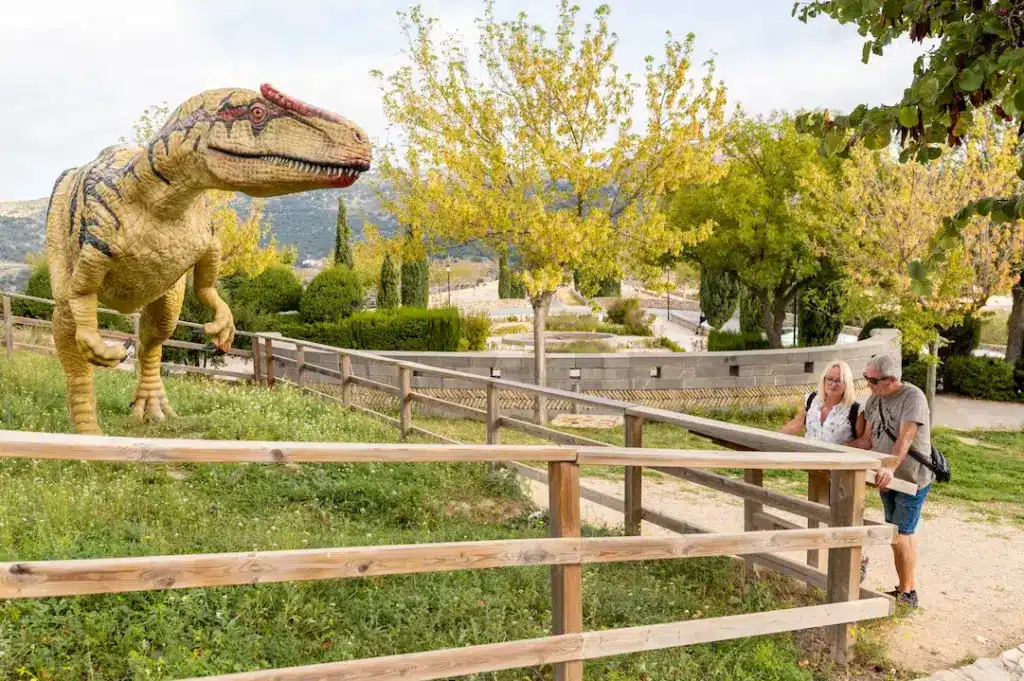
Travel to prehistoric times.

The first settlers who arrived at the 3 stages of this route did so many years ago, and left important traces that can still be visited. The first of them didn’t even walk on two legs: they are the dinosaurs, which in Morella are the central axis of the Museo Tiempo de Dinosaurios, with an interesting proposal of geology and paleontology that has as its starting point its collection of Cretaceous fossils. In addition, both Morella and Alcañiz preserve prehistoric paintings that are part of the rock art of the Mediterranean arch, declared a World Heritage Site by UNESCO in 1998.

9

Wander aimlessly.

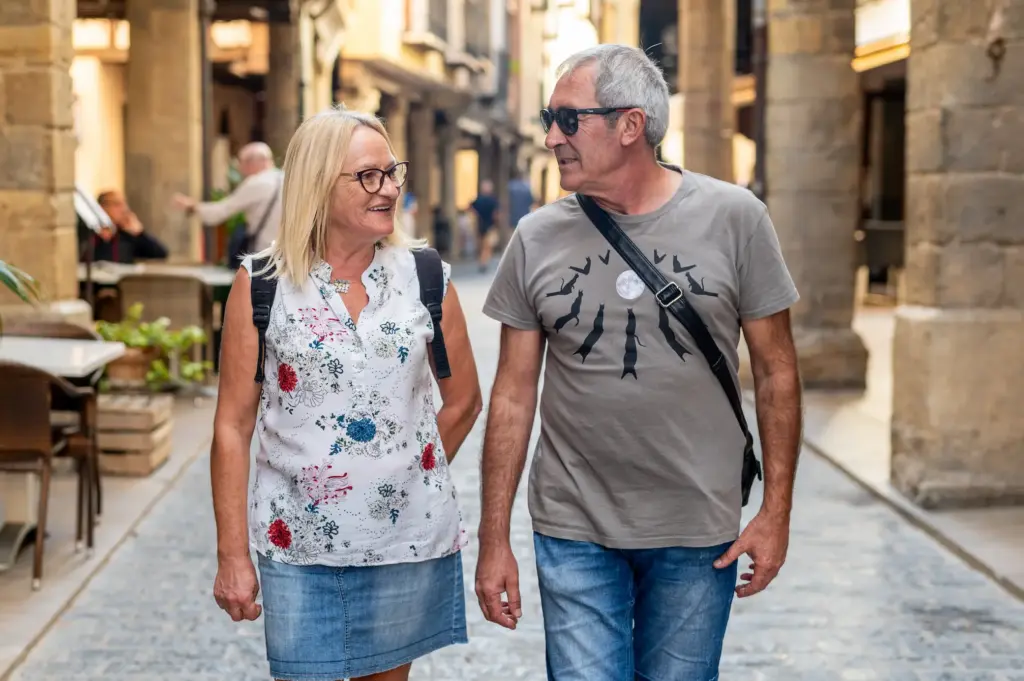
Castles, walls, towers, labyrinths, and a long list of cultural and heritage attractions make the stages of the Ruta 3 Reyes ideal places to enjoy and learn. But the visit would not be complete if those who come to these towns forget for a while about maps and directions and go out to wander without any objective, beyond enjoying three towns with surprising corners in which to stop for a coffee or a good lunch, meet artisans and their centuries-old techniques, visit family businesses, sit next to a fountain, come across unique buildings, learn how its inhabitants live, and recover, even for a few moments, the sensation of possession of time.

10

Enjoy the good gastronomy.

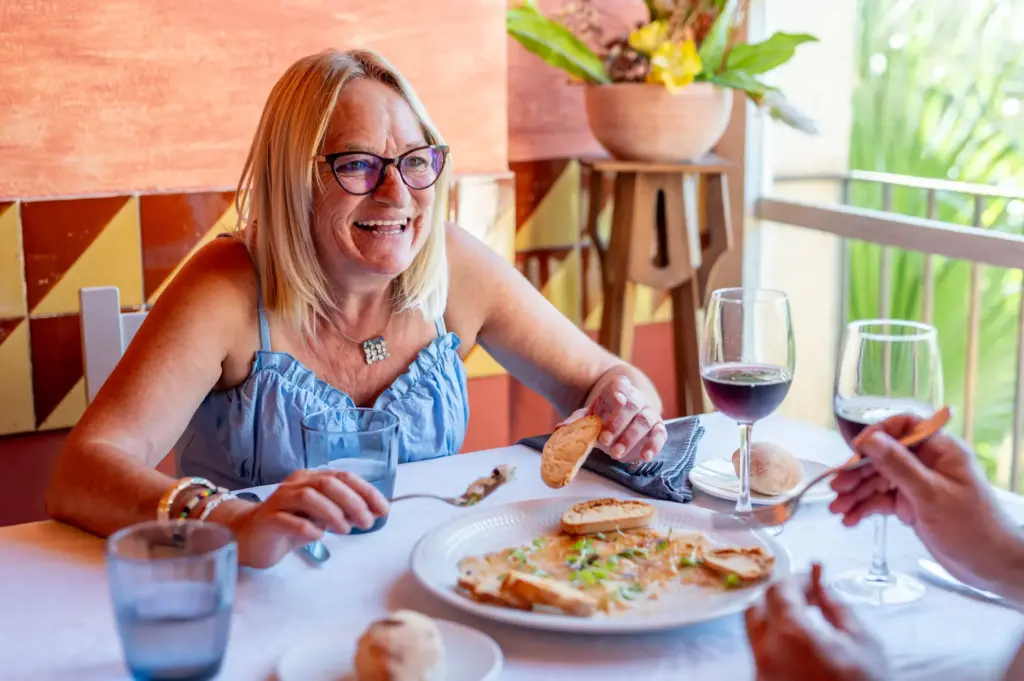
Undoubtedly, sightseeing makes you hungry, and sitting down at the table is an excellent way to start getting to know the destination you are visiting. Therefore, nothing better than recovering your strength by discovering the gastronomic offer of the Ruta 3 Reyes, characterized by excellent quality raw materials, by its recipes of medieval origin, and by its prolific variety of sweets. Do not hesitate to ask in restaurants, pastry shops, butchers, cheese shops, and other food establishments for local gastronomic specialties and let yourself be advised to discover the most genuine flavors.

11

Let yourself be caressed by nature.

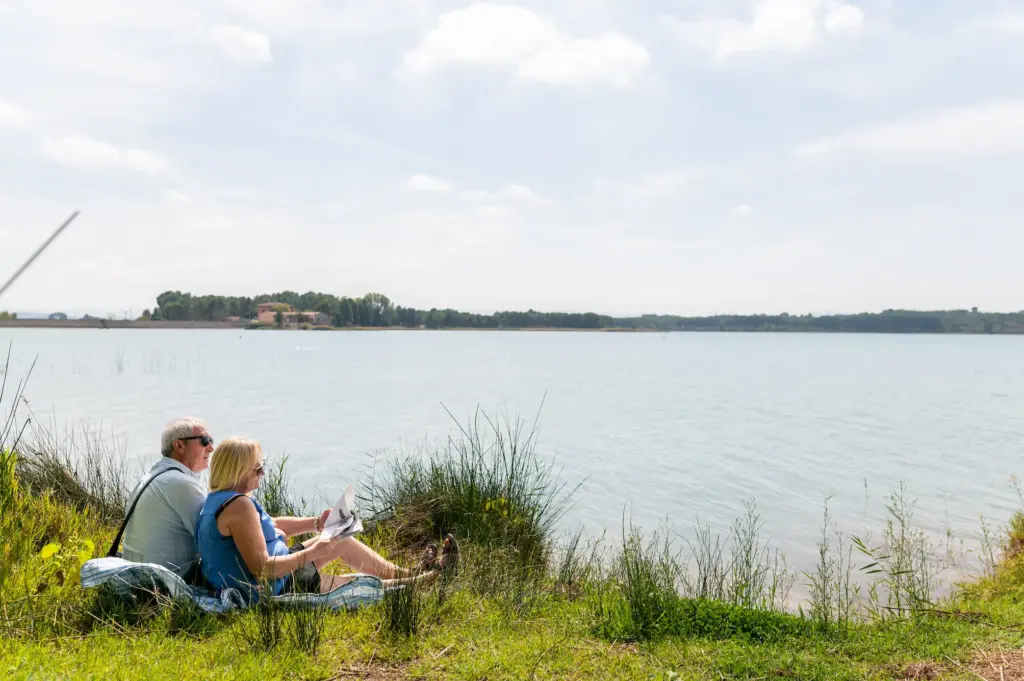
The Ruta 3 Reyes runs through three ancient towns whose natural conditions seduced the first settlers to establish themselves in them. Much has rained since then, but there is something that has not changed, the beauty and variety of its surroundings. Rivers, saltwater ponds, spaces dominated by green and others by an almost lunar landscape, ideal places to enjoy bird watching and to relax practicing hiking and cycling are just some of the many options to discover walking along the greenest Ruta 3 Reyes. The Estanca reservoir in Alcañiz, the Paseo de la Alameda in Morella, and the section of greenway that connects Tortosa with the Natural Parks of the Ebro Delta and Els Ports are our essentials.

12

Consult the intense calendar of festivities and culture.

The Renaissance Festival of Tortosa, the Sexenni Festivals of Morella, and the Holy Week of Alcañiz share a common characteristic: all of them have been declared a Festival of National Tourist Interest. And it is that these are celebrations of great beauty and singularity, of long tradition and, above all, of very lively festivals in which the inhabitants of the three towns collaborate and enjoy to the fullest. But that is not all, gastronomy, music, traditions, history, and a lot of culture star in a wide calendar of festivities and celebrations that extends throughout the year.

Nature icon

Nature

Route of the 3 Kings in its natural state

Table icon

Gastronomy

The Flavor of the Ruta de los 3 Reyes

Festivals and festivities

Festivals of National Tourist Interest and an intense cultural calendar